|
If you generally step more gently as you go down the stairs, hold the hand-railing a little bit tighter, and take careful note of where your feet land next… you’re not alone. The vast majority of us either consciously or subconsciously fear the sudden jolt and feeling of vertigo related to feeling taking a tumble – not to mention the pain that comes afterwards! Our worst fears are realized when we start to think about the horrendous consequences of a fall: hip-fractures, muscle tears, back pain, even broken legs all come to mind. Yikes! Is it any wonder that a common nightmarish theme is falling out of bed? In fact, a fear of falling is so common that most people don’t even know they’re afraid! That’s right – the fear isn’t consciously spoken about or acknowledged, rather it translates into minute, prolonged posture and gait abnormalities which, if left unnoticed, can wreak havoc on one’s mobility and self-confidence. That’s why this post looks at why most people are secretly afraid of falling, why most don’t even know they’re afraid, and – thankfully – what we can do about tackling this problem. [...] Being afraid of falling is more than a cautious tip-toeing around objects: it’s an overarching alteration of the way we assess, approach, and interact with the world around us. Unbeknownst to many of us, the fear of falling actually restricts our movement, thus it can, in fact, cause pain and immobility over time. And not only that, it can actually reduce self-esteem, restricting us from otherwise social interactions along the way. So few of us ever really acknowledge the overarching effects of our fear that, consequently, we forget how our daily lives are being impacted – we become accustomed to limitations and we accept our worry as part of life. And yet, it doesn’t have to be that way! Take a look at some of the most common reasons you might be afraid of falling and what to do about it:
Decreased Balance As you’ve gotten a bit older, you’ve stopped riding on your bicycle, stopped practicing yoga, and stopped rowing down the river in your canoe. The result? Your balance has deteriorated and you’ve started feeling the impact this has had on your mobility. The less balance-orientated activities you do, the less you hone your balancing skills, thereby allowing weight to be unevenly distributed throughout your body. This causes straining and overcompensation in certain areas and weakness in others. Subsequently, an unbalanced body wreaks havoc on your brain: is it that much more likely to fear falling… after all, it knows your balance is off! The answer? Well, get back on the yoga mat, dust off the bicycle, and start practicing activities that increase your balance; a daily effort to evenly distribute weight and create a greater awareness of your body’s balance is, ultimately, a giant leap on your road to overcoming the fear of falling. Muscle Weakness Just as you’ve given up the rowing, you’ve also neglected to do your daily walks or stretches, thus your muscles have started to weaken and lose strength. Without muscle strength, your body isn’t capable of giving you the confidence needed to overcome a fear of falling. Again, your mind understands that your body is incapable of compensating for a fall if you have weak muscles, thus it trains you to restrict movement accordingly – it lessens the probability of a fall. Why not start walking for 30 minutes a day? Muscle weakness starts alongside a sedentary lifestyle: get active and feel the confidence return to both your body and mind. Footwear When it comes to falling, footwear matters. Yes, of course, wearing 9-inch heals to the park is asking for a tumble, but realistically, wearing shoes that are incapable of supporting and distributing your weight evenly is setting you up for failure. Footwear needs to be comfortable and stable, thus giving you the reassurance of a good, strong, supported stride. In addition, good footwear offers you balance! So, don’t hesitate to ditch the heels and opt of support and comfort – your body and muscles with thank you for it! Obstacle Awareness Clutter, mounds of clothes, various sofas, and random chairs in your home place before your body a daily obstacle course – from stepping over a coffee table, to swiveling around a badly-placed chair, these movements impact your peace of mind, place stress on your already weak muscles, and increase your fear of falling. The stress associated with navigating the living-room is, at its most basic level, akin to traversing an uneven hillside: the fact that you do it every day makes your mind and body feel as though you need to be protected, and thus your movements become limited. Obstacles feed your fear. If watching Marie Kondo is motivation enough to clean out the clutter, then waste no more time! Clear a path to freedom from fear! At the end of the day, we know and understand that your fear of falling is far-reaching: from your body to your mind, your mobility and lifestyle are both being affected. That’s also why we know that seeing a professional, hands-on, caring physical therapist is by far the best, most effective, and safest way of tackling the issue. A qualified physical therapist is able to diagnose the root cause of the problem, assess posture, gait, and muscle tension, and work with you in order to free you from your daily anxiety. Furthermore, physical therapy offers you tailor-made exercises and stretches, thereby allowing you to maintain a strong, stable body and a life free from fear! With physical therapy, the self-confidence to step out proudly, strongly, and bravely will become second nature to you. Being afraid of falling is as much about your body as it is about your mind: the limitations your mind places on your body is affecting your life for the worse. And that’s why we know that the freedom from fear enables you to live the life you dream of, do the activities you long to do, and be the person you hope to be. We’re here to help you, and we look forward to speaking to you about how we can assist and guide you on your journey to achieving confidence in yourself and your body. Call us today; we look forward to hearing from you!
1 Comment
|
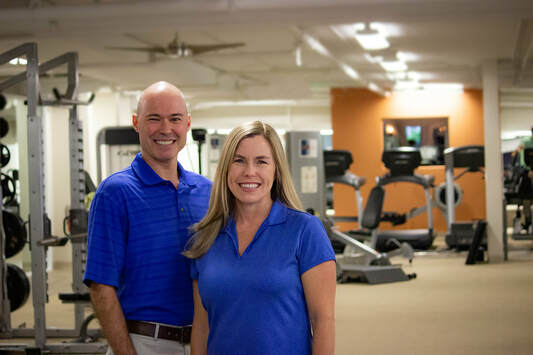
Authors: Bryan & Jennifer Regar"We Help People Be More Active, Healthy, And Live Pain Free Without Relying On Medications, Injections, Or Surgeries. Archives
July 2020
All
|

 RSS Feed